BitcoinWorld Hyperliquid Mobile App Launch: Decentralized Exchange Unveils Pivotal Test Version on Google Play In a significant move to capture the growing mobile-first trading demographic, the decentralized perpetual futures exchange Hyperliquid has launched a test version of its mobile application on the Google Play Store. This initial release, announced via the platform’s official Telegram channel …
BitcoinWorld
Hyperliquid Mobile App Launch: Decentralized Exchange Unveils Pivotal Test Version on Google Play
In a significant move to capture the growing mobile-first trading demographic, the decentralized perpetual futures exchange Hyperliquid has launched a test version of its mobile application on the Google Play Store. This initial release, announced via the platform’s official Telegram channel on March 21, 2025, represents a strategic expansion beyond desktop interfaces, directly responding to user demand for on-the-go access to decentralized finance (DeFi) markets. The launch marks a pivotal step in Hyperliquid’s development roadmap, aiming to increase accessibility and user engagement for its HYPE token ecosystem.
Hyperliquid Mobile App Enters the Testing Phase
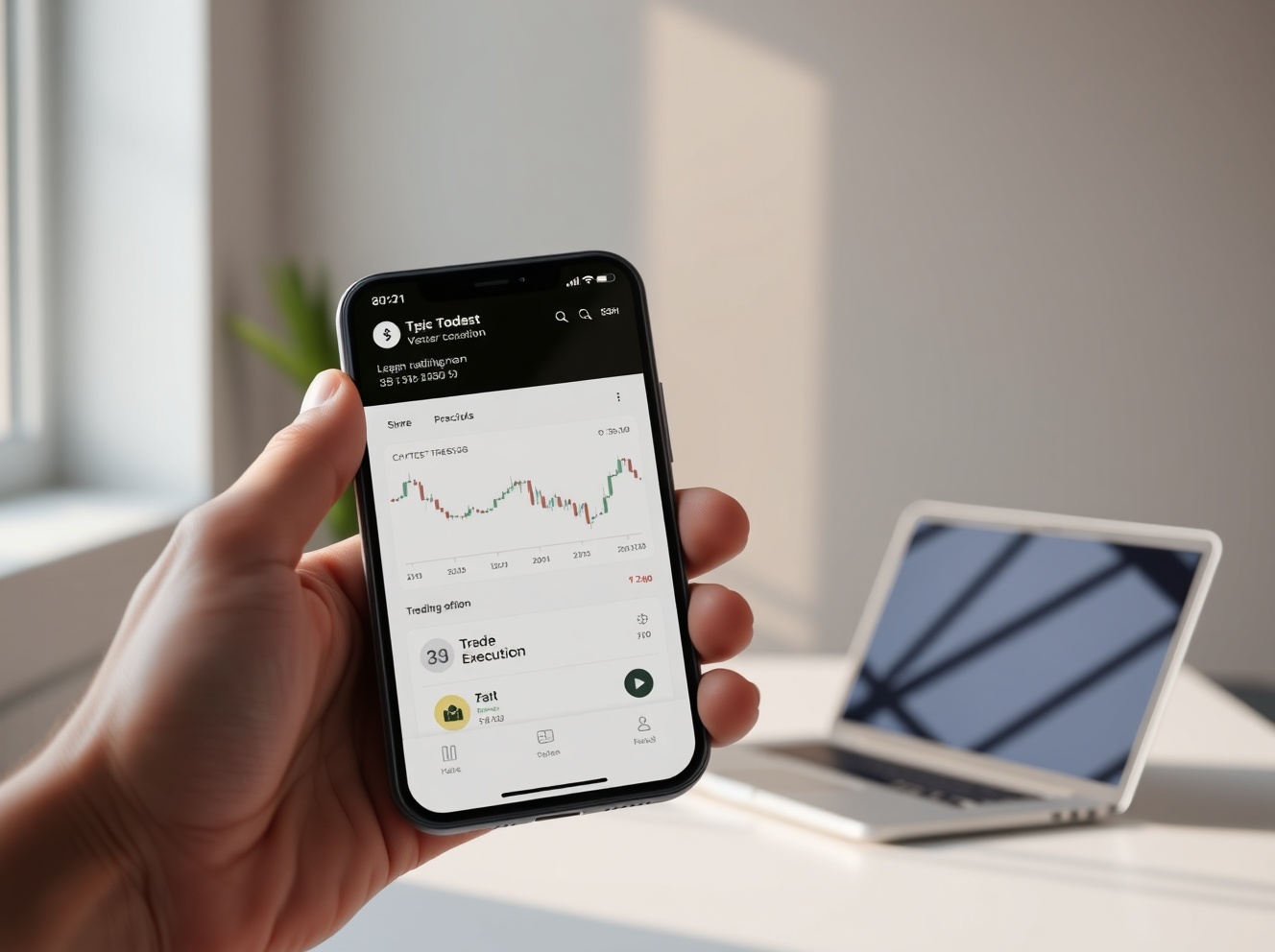
The newly released application is explicitly labeled as a minimum viable product (MVP). Consequently, its current feature set remains intentionally limited. Initially, the app primarily provides trade execution notifications. This focused approach allows the Hyperliquid development team to gather critical user feedback on core functionality and stability before implementing more complex trading features. The exchange has committed to a gradual, iterative improvement process, planning to roll out enhanced capabilities based directly on community input and performance data.
This development follows a clear industry trend where major centralized exchanges like Binance and Coinbase established robust mobile presences years ago. However, the decentralized exchange (DEX) sector has been slower in this transition, often prioritizing protocol security and desktop functionality first. Hyperliquid’s foray into mobile signifies a maturation point for perpetual futures DEXs, acknowledging that user experience and accessibility are now paramount for mainstream adoption. The choice of the Google Play Store as the initial distribution platform provides a familiar and trusted channel for Android users worldwide.
The Strategic Importance of Mobile Access in DeFi
Industry analysts consistently highlight mobile accessibility as a key driver for financial application adoption. A 2024 report from analytics firm DappRadar indicated that applications with polished mobile interfaces saw user retention rates increase by over 40% compared to desktop-only platforms. For a perpetual futures exchange like Hyperliquid, which facilitates leveraged trading of cryptocurrency contracts without expiry dates, mobile access enables traders to monitor positions and react to market volatility in real-time, regardless of location.
Furthermore, the mobile launch serves a dual strategic purpose. First, it tests technical infrastructure, such as wallet connectivity and order routing, on diverse mobile devices. Second, it functions as a market signal, demonstrating the project’s commitment to user-centric development. By releasing an MVP, Hyperliquid manages user expectations while building a foundation for future, more feature-rich updates. This phased rollout is a common and prudent strategy in technology deployment, minimizing risk while maximizing learning.
Expert Analysis on DEX Mobile Expansion
Sarah Chen, a research lead at the Blockchain Innovation Institute, notes the technical challenges inherent in this move. “Porting a decentralized exchange’s functionality to mobile involves significant engineering considerations, particularly around secure key management and maintaining low-latency connections to blockchain nodes,” Chen explained in a recent industry webinar. “An MVP focusing on notifications is a logical first step. It allows the team to validate the app’s core communication layer with the Hyperliquid order book without exposing users to the complexities of mobile-based trading execution prematurely.”
Chen’s analysis underscores the careful balance between innovation and security. The gradual feature rollout plan mentioned by Hyperliquid aligns with established best practices in fintech development. It prioritizes system stability and security audits before introducing higher-risk functionalities like leveraged trading directly from the mobile interface. This cautious approach is likely designed to build long-term trust within its community of traders.
Comparative Landscape of DEX Mobile Applications
The decentralized exchange landscape features varying levels of mobile integration. The table below provides a brief comparison of approaches as of early 2025.
| Platform | Mobile Offering | Primary Access Method |
|---|---|---|
| Uniswap | Official mobile app with full swap functionality | Native iOS/Android app |
| dYdX | Full-featured mobile web application | Mobile-optimized website |
| GMX | Mobile-optimized web interface | Browser-based |
| Hyperliquid | MVP native app (notifications only) | Native Android app (Google Play) |
As illustrated, Hyperliquid’s native app launch, even in a limited form, represents a distinct path compared to competitors relying on web interfaces. A native application can potentially offer superior performance, tighter operating system integration for notifications, and a more controlled security environment. The development signals Hyperliquid’s investment in building a dedicated mobile experience rather than a responsive website adaptation.
Potential Impact on the HYPE Token and User Base
The launch of a mobile touchpoint has immediate implications for the Hyperliquid ecosystem. Increased accessibility typically correlates with higher platform engagement. For instance, more frequent login sessions and notification interactions can lead to greater familiarity with the platform’s features. While the MVP does not directly enable trading, it serves as a constant reminder and gateway to the Hyperliquid ecosystem, potentially driving traffic back to the main desktop interface for actual trading activity.
From a tokenomics perspective, sustained growth in active users is a fundamental metric that can influence the utility and valuation of the native HYPE token. The token is integral to the platform’s governance and fee structure. Therefore, initiatives that expand the user base, like mobile accessibility, are closely watched by the community. The iterative development model also fosters a sense of user involvement, as feedback provided during the MVP phase may directly shape the application’s evolution, strengthening community bonds.
The Roadmap Ahead: From Notifications to Full Trading
Based on standard software development lifecycles, the next phases for the Hyperliquid mobile app will likely focus on several key areas:
- Portfolio Dashboard: Viewing position balances, P&L, and margin health.
- Market Data: Real-time price charts and order book depth.
- Order Placement: Basic limit and market order functionality.
- Enhanced Security: Biometric authentication and advanced key management solutions.
Each feature addition will require rigorous testing, especially for a platform handling leveraged derivatives. The complexity of managing liquidations and funding rates on a mobile device presents unique challenges that the development team must solve without compromising the decentralized nature of the exchange or user fund security.
Conclusion
The launch of Hyperliquid’s test mobile app on the Google Play Store is a calculated and noteworthy development in the evolution of decentralized perpetual futures trading. By starting with a minimal viable product focused on notifications, the exchange is laying a foundation for a secure, user-informed mobile platform. This strategic move addresses the critical need for accessibility in the competitive DeFi landscape and aligns with broader trends toward mobile-first finance. As Hyperliquid iteratively enhances its mobile app based on user feedback, it positions itself to better serve its existing community and attract a new wave of mobile-native traders, solidifying its role in the future of decentralized derivatives trading.
FAQs
Q1: What can the current Hyperliquid mobile app MVP do?
The initial minimum viable product (MVP) version released for testing currently offers trade execution notifications. This allows users to receive alerts about their trades placed on the main Hyperliquid exchange interface.
Q2: Where can I download the Hyperliquid mobile app?
The test version is available for download on the Google Play Store for Android devices. An iOS version has not been announced as part of this initial MVP launch.
Q3: Can I trade perpetual futures directly from the mobile app yet?
No. The current MVP does not support trading functionality. Its purpose is to test core app infrastructure and notification systems. Hyperliquid plans to add trading features gradually based on user feedback from this test phase.
Q4: Why is Hyperliquid releasing a mobile app?
The launch aims to increase platform accessibility and cater to the growing number of traders who prefer mobile devices. It represents a strategic expansion to improve user experience and engagement with the Hyperliquid decentralized exchange ecosystem.
Q5: How will the app be improved after the test phase?
Hyperliquid has stated it will follow an iterative development model. The team plans to gradually introduce new features and enhancements based directly on the feedback and usage data collected from users during this initial MVP testing period.
This post Hyperliquid Mobile App Launch: Decentralized Exchange Unveils Pivotal Test Version on Google Play first appeared on BitcoinWorld.