BitcoinWorld Merz at G7: China’s Yuan Undervalued by Up to 30%, Sparks Currency Debate German Chancellor Friedrich Merz reportedly stated at the recent G7 summit that China’s currency, the yuan, may be undervalued by as much as 30 percent. The remark, attributed to diplomatic sources familiar with the closed-door discussions, has reignited a long-standing debate …
BitcoinWorld
Merz at G7: China’s Yuan Undervalued by Up to 30%, Sparks Currency Debate
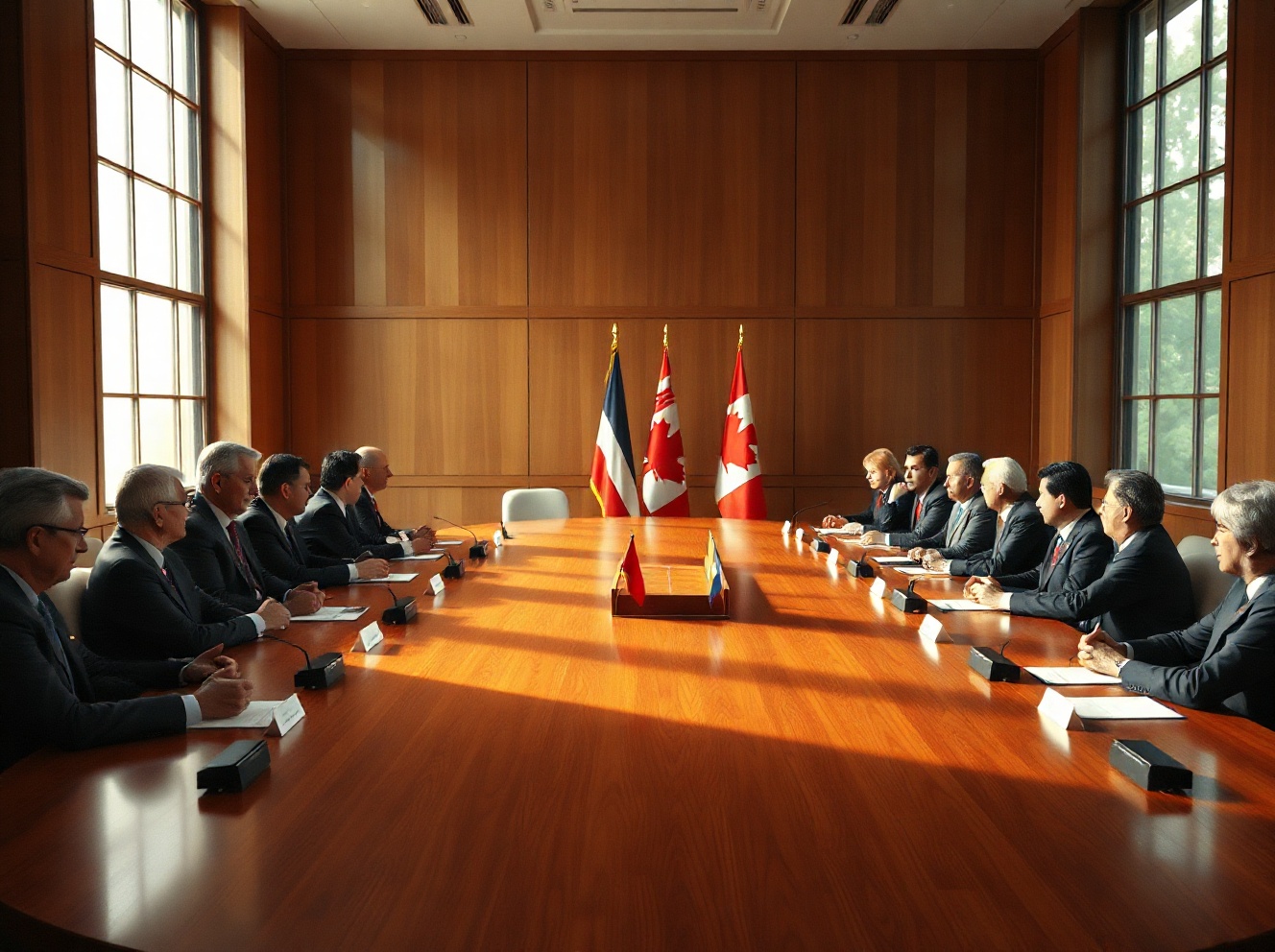
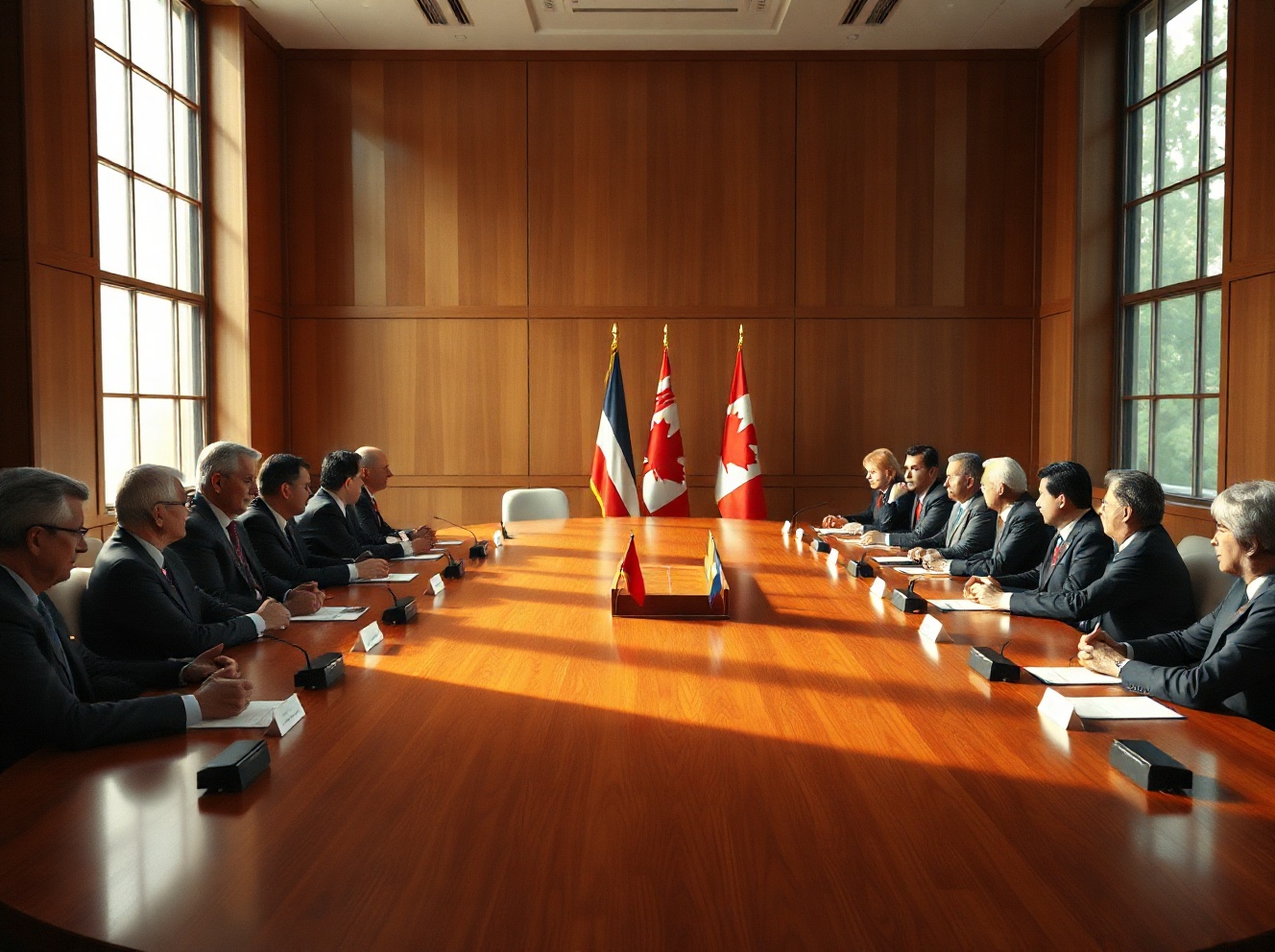
German Chancellor Friedrich Merz reportedly stated at the recent G7 summit that China’s currency, the yuan, may be undervalued by as much as 30 percent. The remark, attributed to diplomatic sources familiar with the closed-door discussions, has reignited a long-standing debate over Beijing’s currency management practices and their impact on global trade.
Context of the Claim
The statement was made during a working session focused on global economic imbalances and trade relations. Merz’s estimate aligns with some independent analyses that have long argued the yuan is kept artificially low to boost Chinese exports. However, the figure of 30 percent is notably higher than many official estimates from institutions like the International Monetary Fund, which typically assess undervaluation in a narrower range.
Reactions and Implications
Other G7 leaders reportedly did not uniformly endorse the specific figure, with some cautioning against overstatement. The European Central Bank and the U.S. Treasury have historically refrained from labeling China a currency manipulator, despite periodic tensions. Merz’s comment could complicate upcoming trade negotiations and may influence the European Union’s stance on anti-subsidy measures against Chinese goods.
What This Means for Markets
Currency markets reacted with mild volatility following the news, though the yuan remained relatively stable. Analysts suggest that while the remark adds rhetorical pressure, concrete policy changes are unlikely without broader consensus among G7 members. The debate also underscores the challenge of accurately measuring currency manipulation in a complex global economy.
Conclusion
Merz’s assertion at the G7 highlights persistent tensions over China’s trade practices. Whether this leads to coordinated action or remains a point of diplomatic friction will depend on further discussions and economic data. For now, the statement serves as a reminder of the delicate balance between trade competitiveness and international cooperation.
FAQs
Q1: What does it mean for a currency to be undervalued?
An undervalued currency is one whose exchange rate is lower than what market forces would dictate, often due to government intervention. This can make a country’s exports cheaper and imports more expensive.
Q2: Has China been officially labeled a currency manipulator?
The U.S. Treasury has occasionally designated China as a currency manipulator, but not consistently. The label depends on specific criteria, including the scale of intervention and trade surplus.
Q3: How does the G7 influence currency policy?
The G7 does not have direct authority over currency policies, but its members can coordinate economic measures, issue joint statements, and apply diplomatic pressure that may influence central bank actions.
This post Merz at G7: China’s Yuan Undervalued by Up to 30%, Sparks Currency Debate first appeared on BitcoinWorld.