BitcoinWorld Crypto Losses Top $40M in Three Security Breaches: Phishing and Social Engineering Blamed Last week, the cryptocurrency market witnessed a sobering reminder of its persistent security challenges as over $40 million in digital assets were siphoned off in three separate security breaches. According to on-chain analyst Specter, who shared the findings on X, the …
BitcoinWorld
Crypto Losses Top $40M in Three Security Breaches: Phishing and Social Engineering Blamed
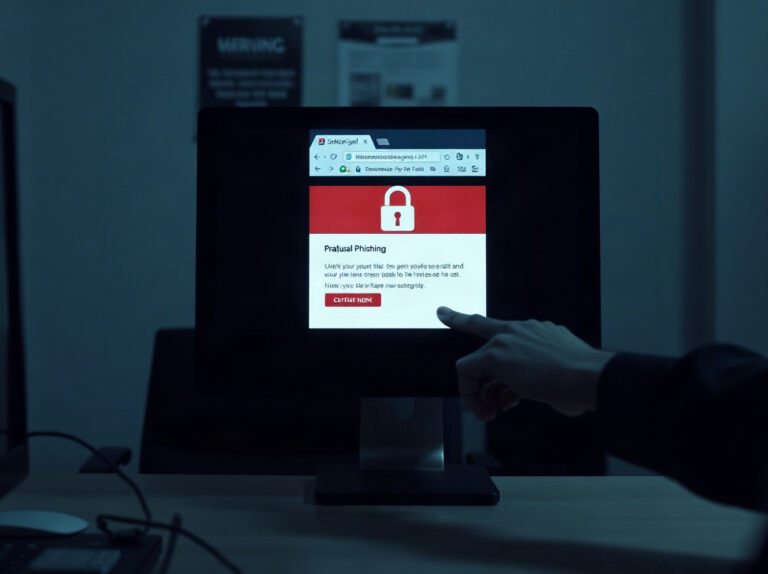
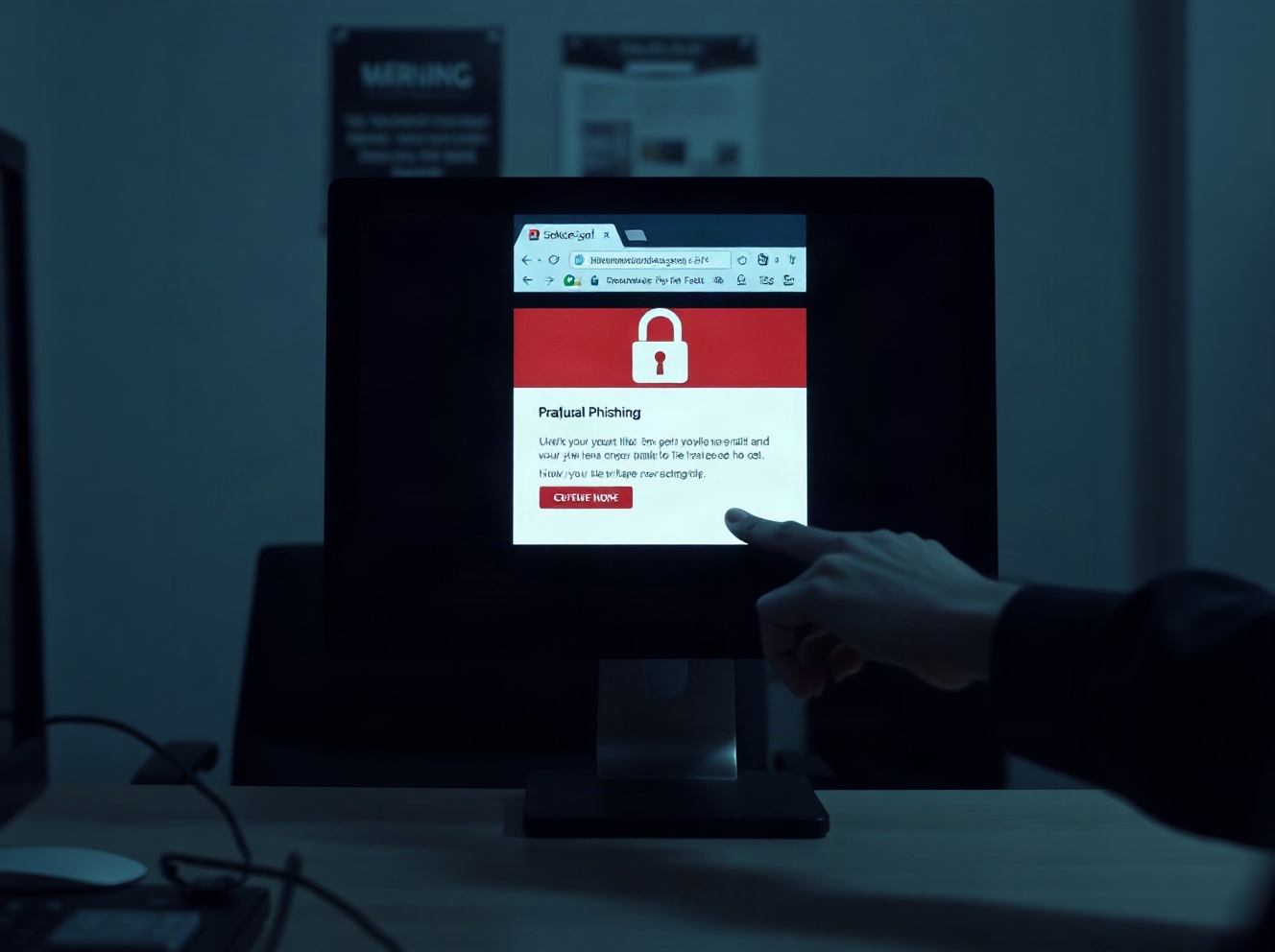
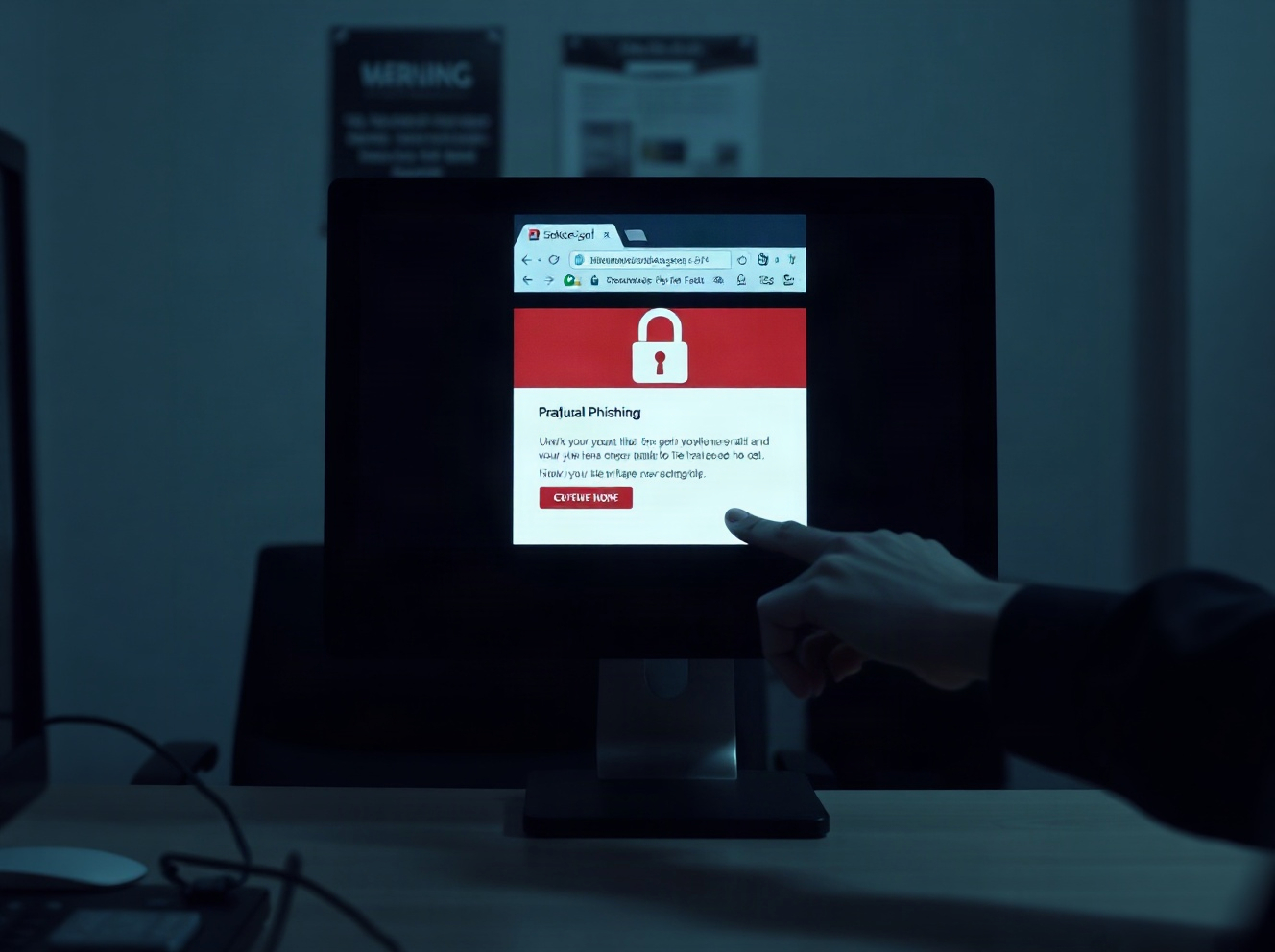
Last week, the cryptocurrency market witnessed a sobering reminder of its persistent security challenges as over $40 million in digital assets were siphoned off in three separate security breaches. According to on-chain analyst Specter, who shared the findings on X, the incidents were primarily executed through social engineering and phishing links, underscoring the evolving tactics of malicious actors in the space.
Anatomy of the Attacks
Specter’s analysis revealed that while substantial capital flowed into the market during the period, hackers were equally active, exploiting human vulnerabilities rather than technical flaws. The most significant incident involved the theft of $25.6 million from a whale address on OpenSea, identified by the prefix 0x8fEB0 and known as TLBL. This attack, like many others, likely began with a seemingly innocuous interaction—a phishing link sent via social media or email—that led to the unauthorized transfer of assets.
The other two breaches, though smaller in scale, collectively contributed to the $40 million total. While specific details remain scarce, the pattern is consistent: attackers are increasingly bypassing complex smart contract exploits in favor of direct manipulation of users. This shift highlights a critical truth—security in crypto is not just about code, but about human behavior.
Why This Matters for Investors
For the average crypto holder, these events serve as a stark warning. Specter emphasized that “crypto is not an industry where investors can buy assets and go to sleep.” Security, he argues, is an integral part of investing, requiring constant vigilance. The rise of phishing attacks, often disguised as legitimate offers or urgent account alerts, means that even experienced users can be caught off guard.
The TLBL incident is particularly instructive. OpenSea, a popular NFT marketplace, has been a frequent target for phishing campaigns due to the high value of assets held in user wallets. Attackers often use fake listings or fraudulent offers to trick users into signing malicious transactions, which then drain their wallets. This case underscores the need for users to verify every transaction request, no matter how legitimate it appears.
Implications for the Broader Market
Beyond individual losses, such breaches have wider implications. They erode trust in the crypto ecosystem, a factor that can influence market sentiment and regulatory scrutiny. As institutional investors increasingly enter the space, security incidents like these may prompt calls for stronger consumer protections and more robust security standards. For now, the onus remains on individual users to stay informed about the latest hacking techniques, vulnerabilities, and phishing methods.
Conclusion
The $40 million stolen last week is a reminder that the crypto industry’s growth is accompanied by persistent risks. While the market continues to evolve, so do the tactics of those who seek to exploit it. Investors must prioritize security as a fundamental part of their strategy, staying updated on emerging threats and adopting best practices such as using hardware wallets, enabling multi-factor authentication, and double-checking all transaction details. As Specter’s warning makes clear, complacency is a luxury no crypto investor can afford.
FAQs
Q1: What are the most common methods used in crypto phishing attacks?
Phishing attacks typically involve fraudulent emails, fake websites, or malicious links that trick users into revealing private keys or signing transactions. Attackers often impersonate trusted platforms or offer fake giveaways to lure victims.
Q2: How can I protect my crypto assets from phishing?
Use hardware wallets for large holdings, enable two-factor authentication (2FA), and always verify URLs and transaction details. Be cautious of unsolicited messages and never share your private keys or seed phrases.
Q3: What should I do if I fall victim to a phishing attack?
Immediately move any remaining assets to a new wallet, report the incident to the platform involved, and contact relevant authorities. Consider using blockchain analytics tools to trace stolen funds, though recovery is often difficult.
This post Crypto Losses Top $40M in Three Security Breaches: Phishing and Social Engineering Blamed first appeared on BitcoinWorld.